







Go live on CKYC for CERSAI 2.0 Seamlessly
From CERSAI onboarding to production, HyperVerge streamlines CKYC 2.0 workflows and manages the suite inside your environment

Trusted by Industry Leaders





CKYC 2.0, also called CERSAI 2.0, is the rebuilt Central KYC Records Registry (CKYCRR) run by CERSAI under the PMLA (Prevention of Money Laundering Act). Reporting Entities use this CKYC registry to search, download, upload and update KYC records for individuals and legal entities through real-time JSON APIs, while SFTP continues for existing processes.
What CKYC 2.0 Means for Your Business
CKYC 2.0 changes customer journeys, operations, CKYC compliance and engineering at once.

 1
Search comes first
Search-before-Create runs before Upload, with duplicate checks and existing records routed to Update
 2
Consent gets broader
OTP, face-based consent and physical CKYC consent run with audit trails
 3
Data needs validation
Customer details are checked against OVDs, government databases and CKYC Validate 2.0
 4
Upload/Update gets stricter
CKYC upload and CKYC update need accurate fields, declarations and document readiness
 5
Security needs alignment
OAuth 2.0, mTLS, JWE/JWS and X.509 certificates are managed in-environment
One Workflow for CKYCRR 2.0 Readiness
Run every CKYC 2.0 step, including failed cases, through one configurable layer.
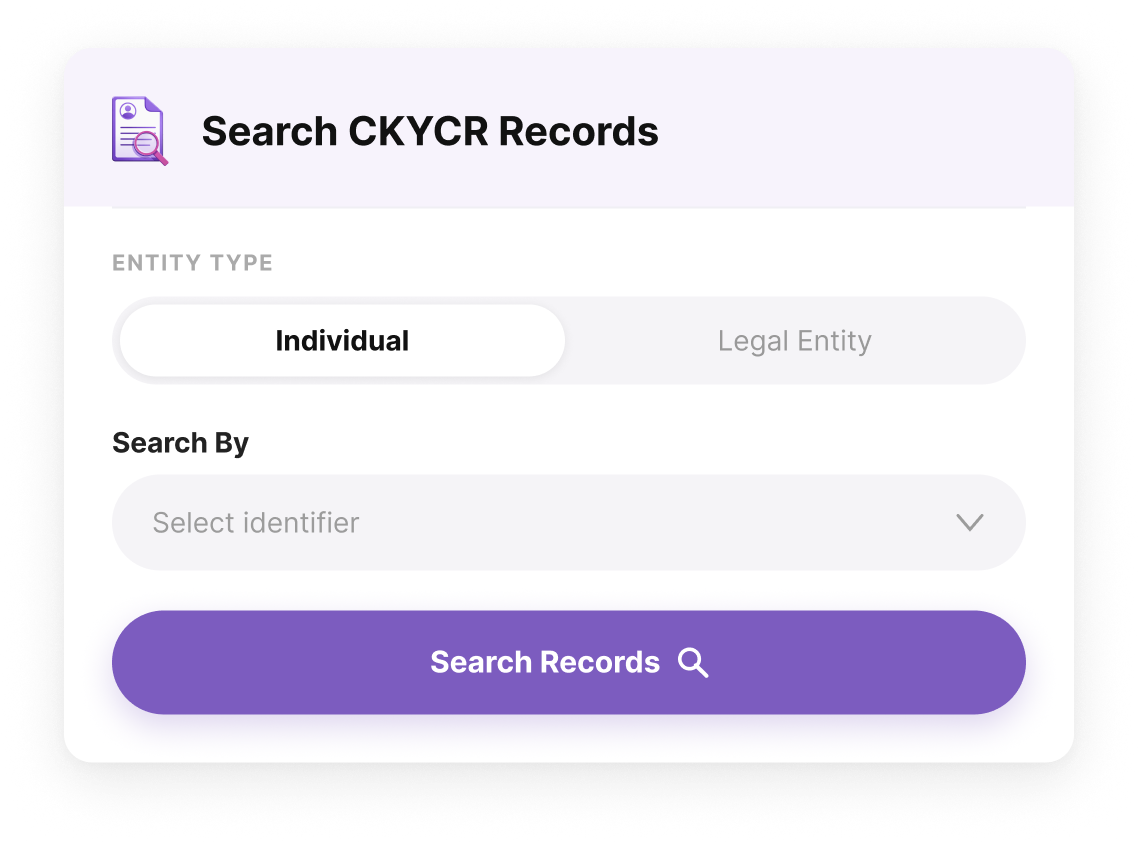
Search
Find individual and legal-entity records in CKYCRR using supported identifiers like OVD, CKYC number, mobile or demographics
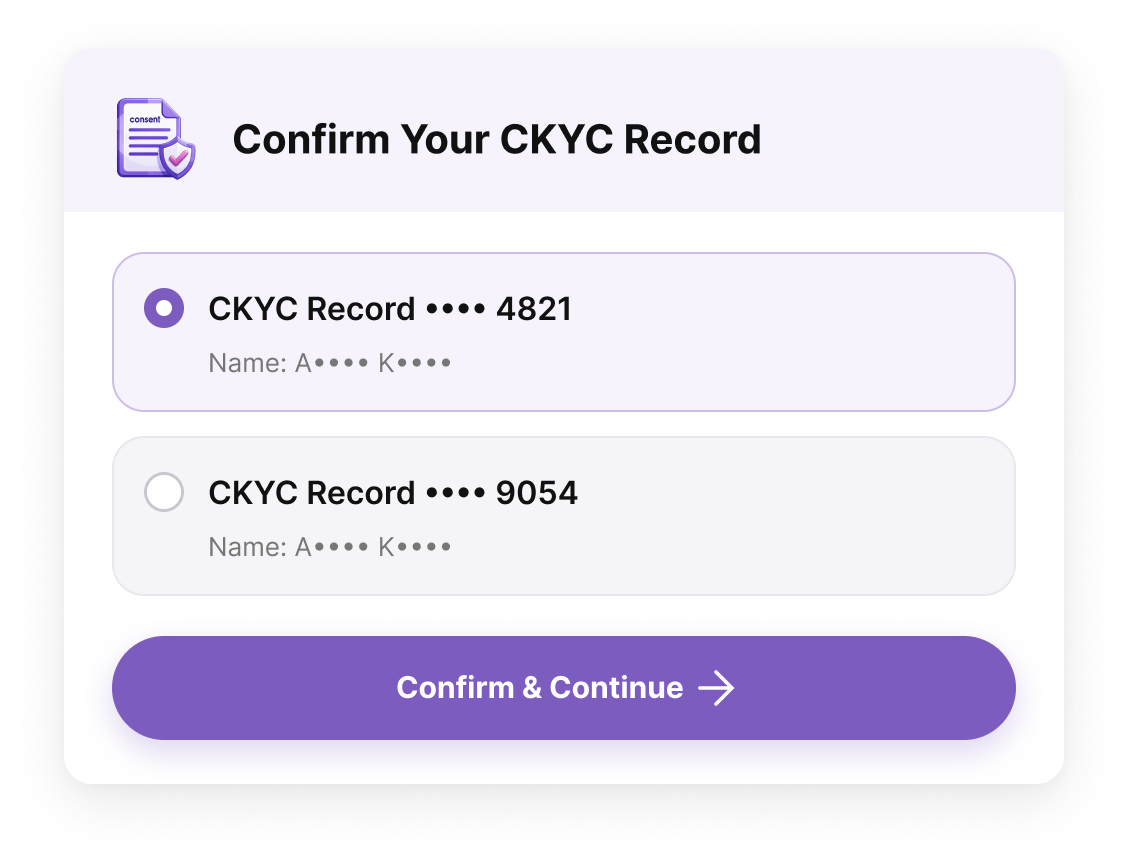
Confirm
When multiple records are returned, let customers select the one that belongs to them before download
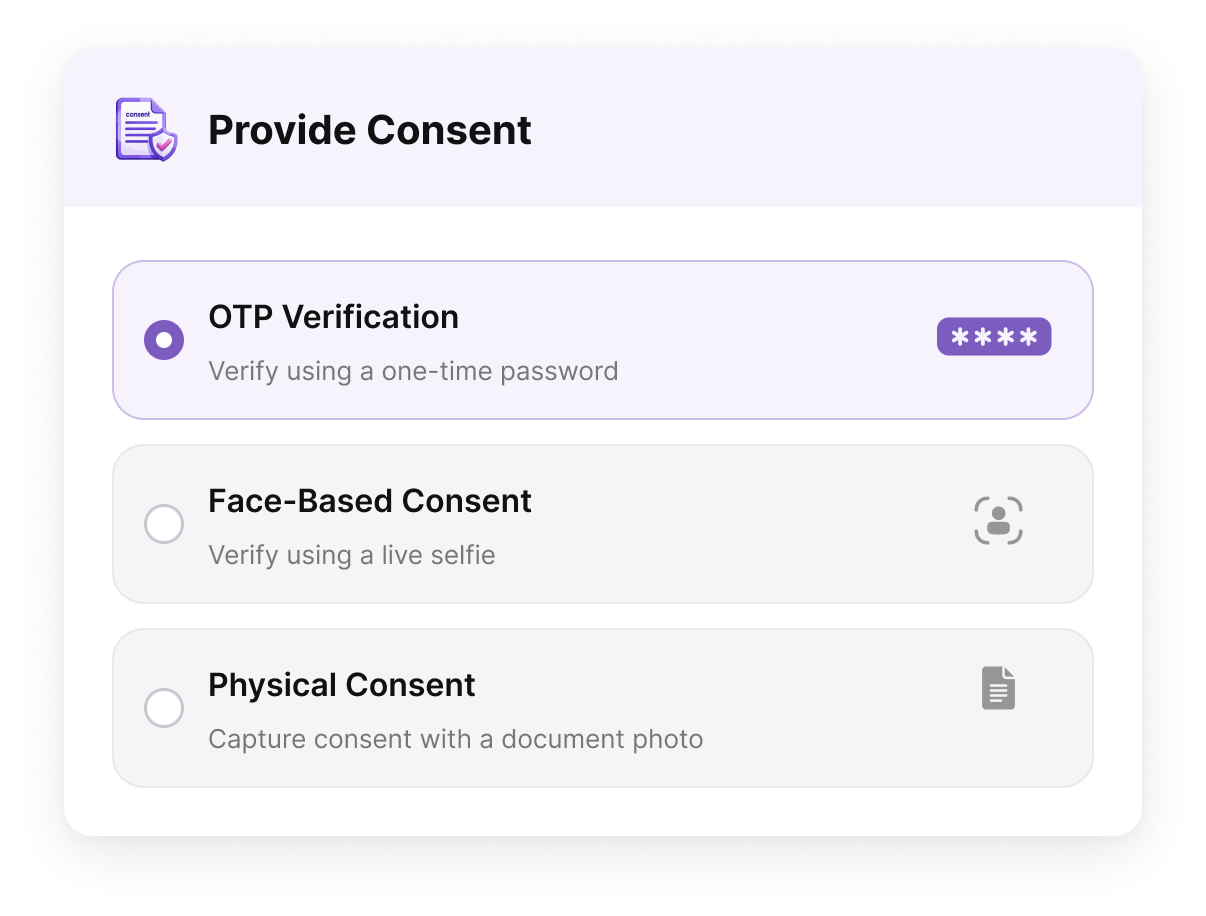
Consent
Capture OTP, face-based or physical consent, needed only on the first download of a record
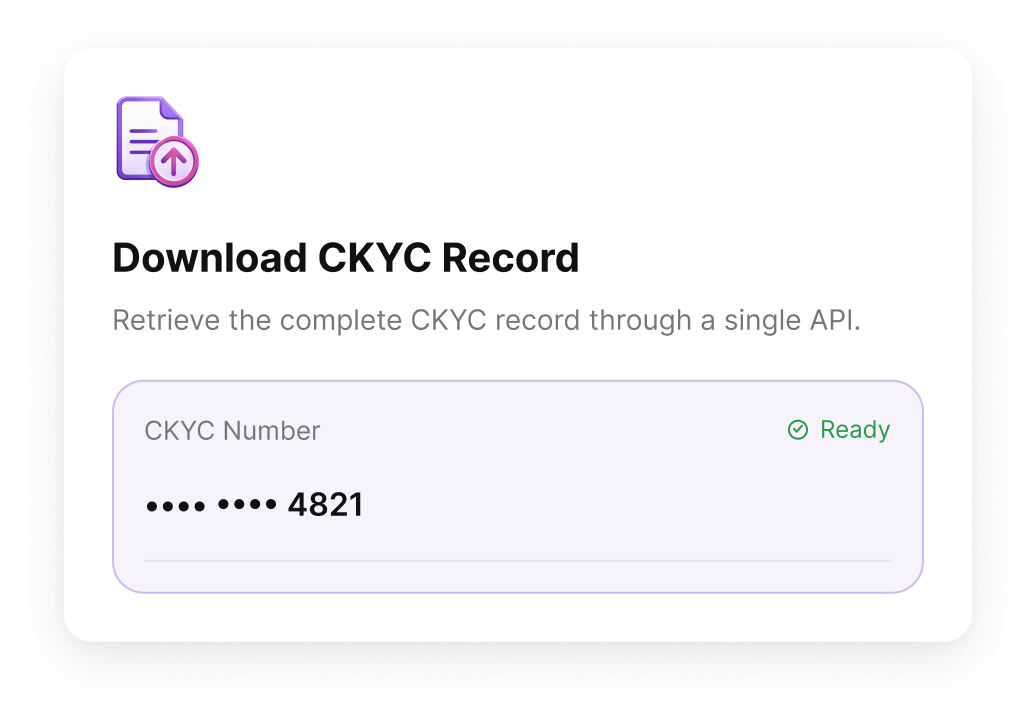
Download
Retrieve the full record through one CKYC download API, with a webhook even when a partner downloads for you
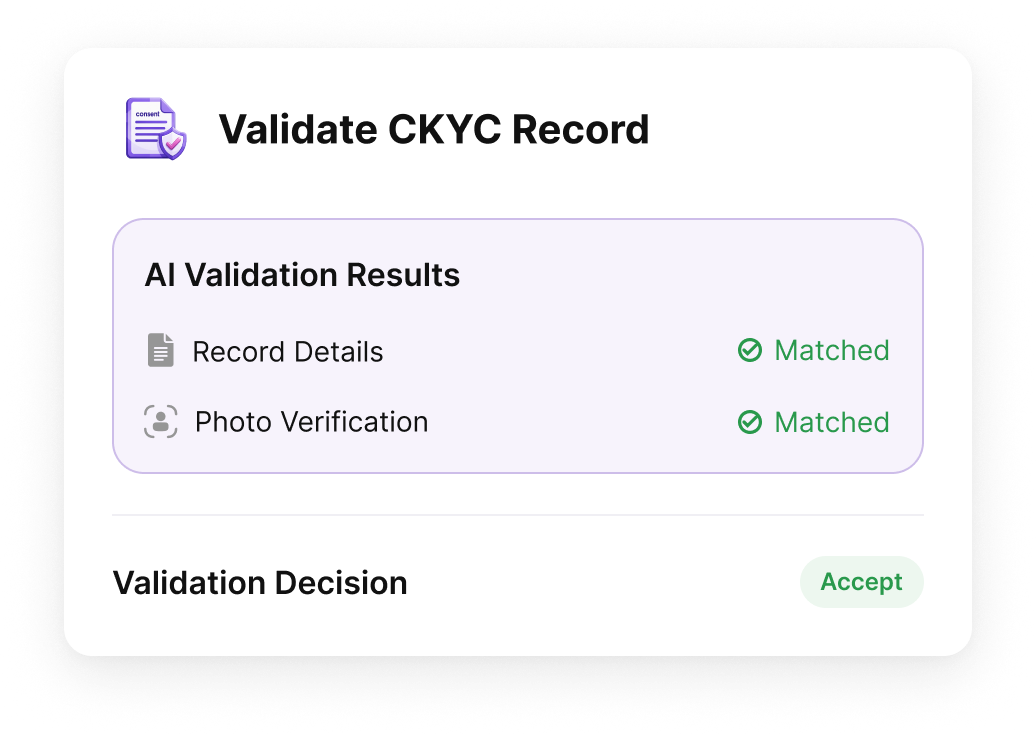
Validate
AI verifies CKYC records by matching data and photo to documents on file and returns Accept, Reject or Review
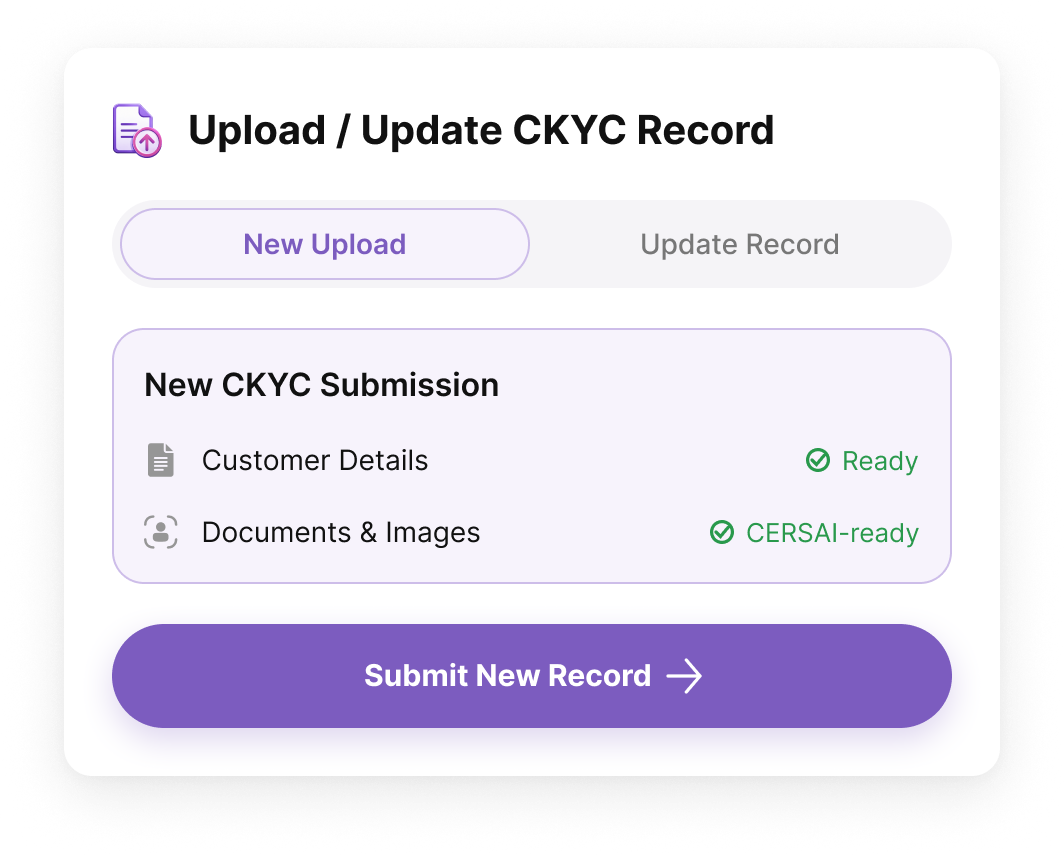
Upload/Update
Submit new records through CKYC upload, or changed fields through CKYC update, with documents and images prepared to CERSAI specification
Resolve
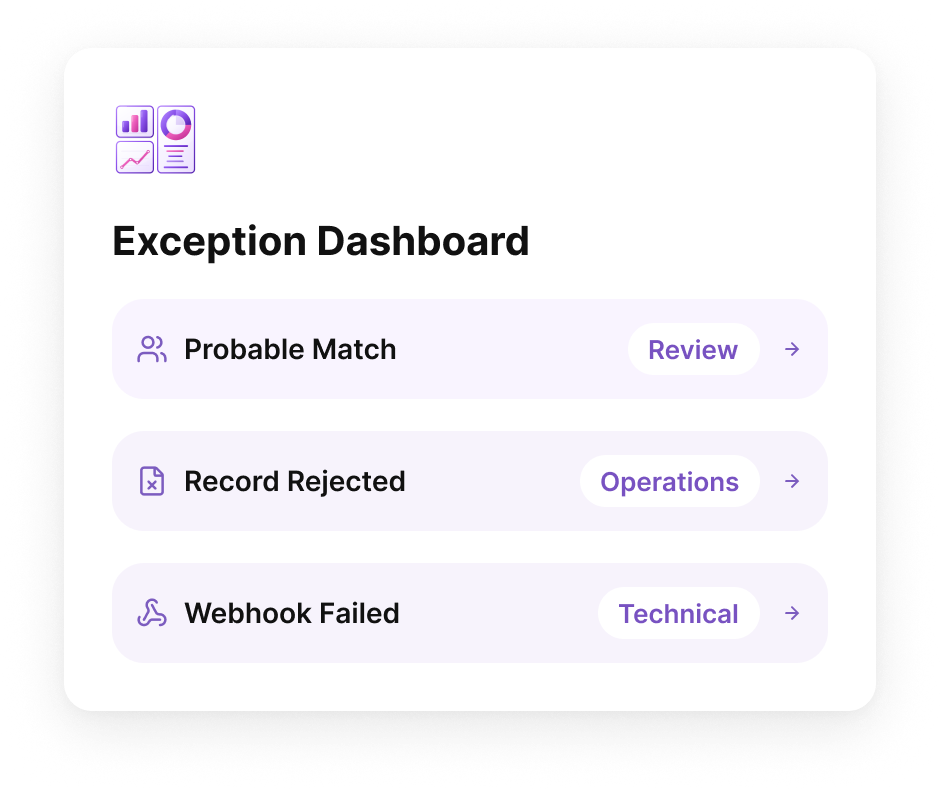
Route probable matches, rejections, outages, deadlines and webhooks from one exception dashboard
Outcomes Your Team Can Feel

Frictionless journeys

Zero integration overhead

Audit-ready by design
Faster Implementation. Fewer Rejections. Less Effort.
CERSAI onboarding to go-live
Upload/Update first-pass acceptance
Less manual effort vs CKYC 1.3
Across HyperVerge CKYC 2.0 production deployments. Effort measured in ops hours against each client's CKYC 1.3 process.
CKYC With and Without HyperVerge
Area
Without HyperVerge
With HyperVerge
 Separate, slow-moving dependency
 Runs in parallel with integration
 Certificates, crypto and API changes need engineering effort
 Managed inside your environment
 Manual routing and duplicate risk
 Search and duplicate checks built into the flow
 Rejections from missing fields or wrong formats
 Field checks, declarations and file prep before submission
 Review-heavy operations queue
 AI clears confident matches; reviewers handle exceptions
 Teams track and adapt to CERSAI changes
 HyperVerge maintains the CKYC 2.0 suite
Built for Every Reporting Entity




Why HyperVerge for CKYC 2.0?
 Beyond API connectivity
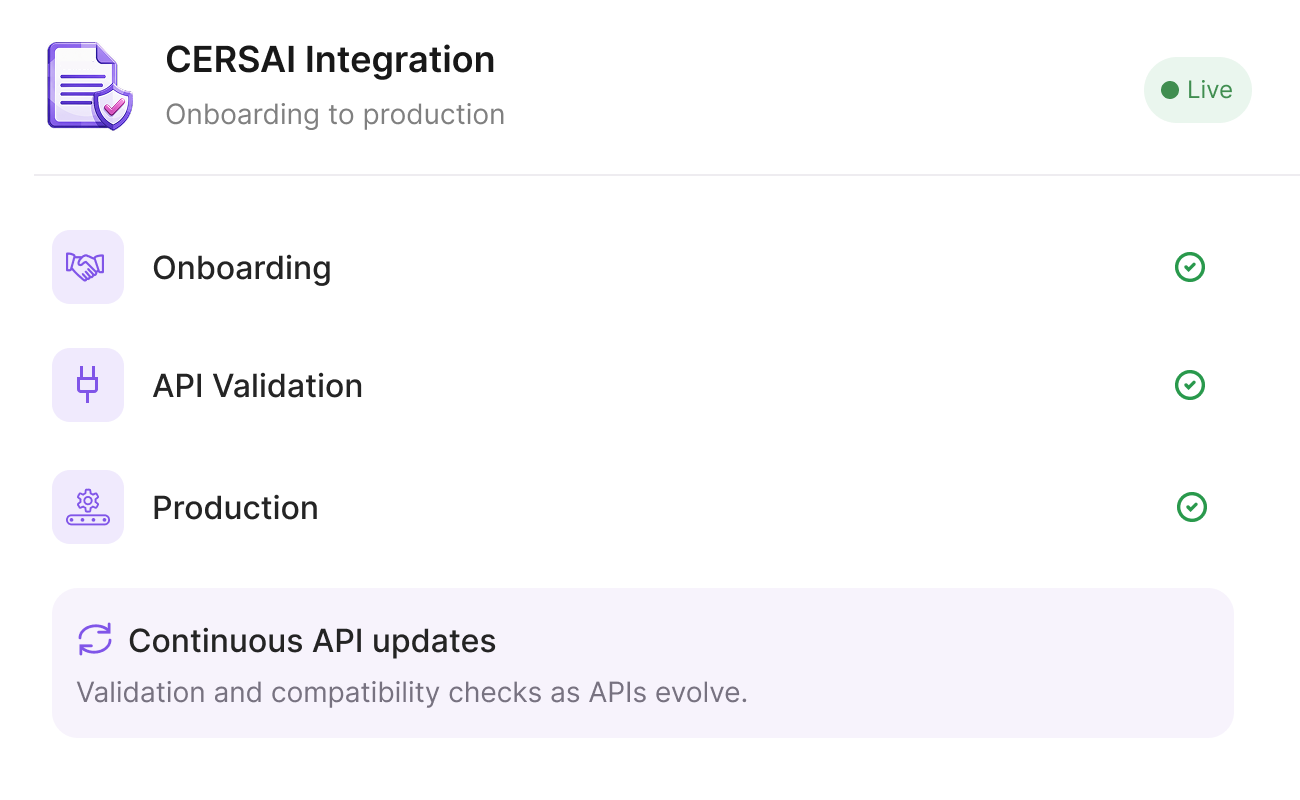
Go from CERSAI onboarding to production, and stay current as CERSAI changes its APIs
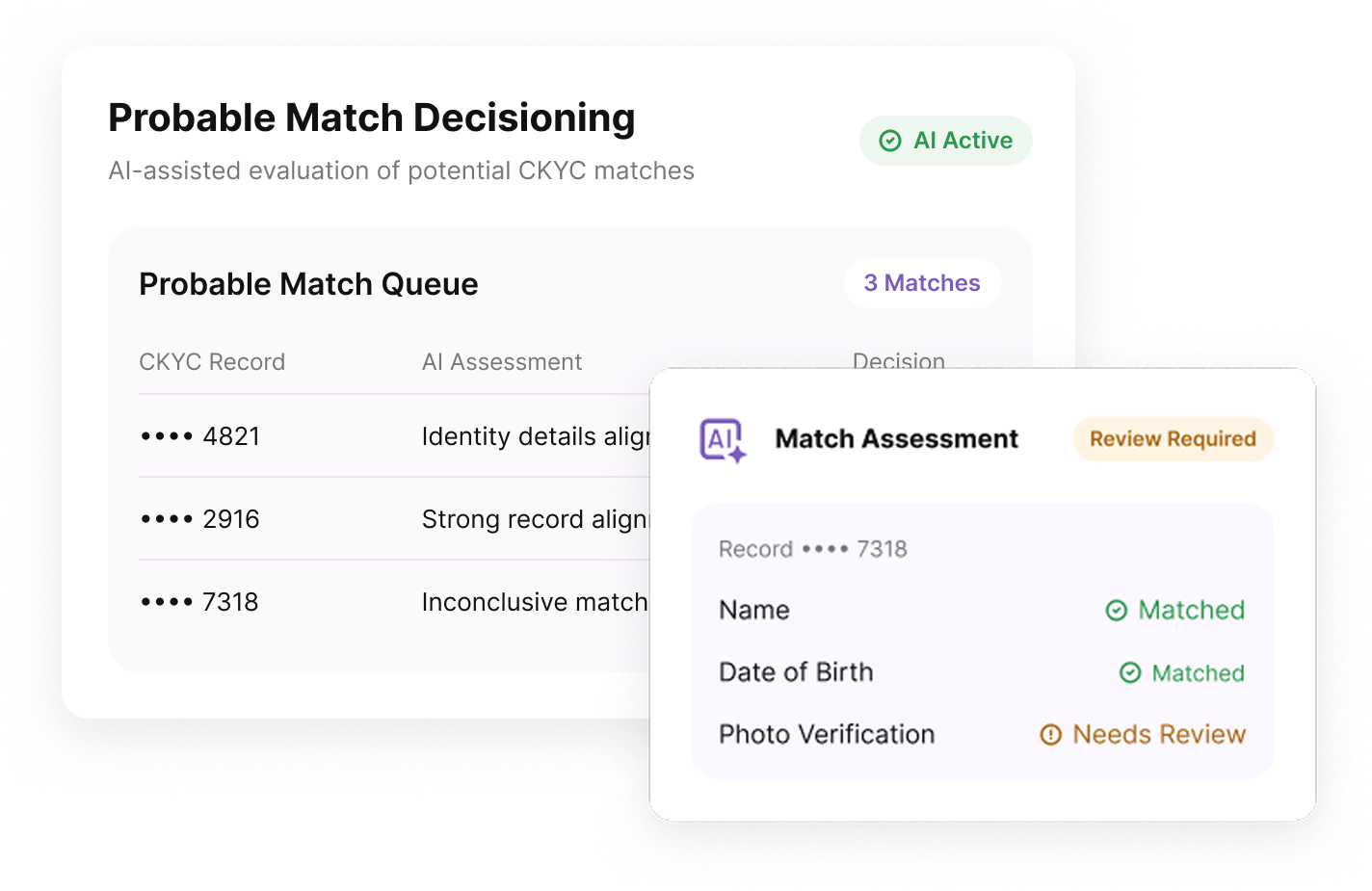
 AI-assisted probable match decisioning
AI clears confident probable matches, so reviewers handle only the cases that need judgment
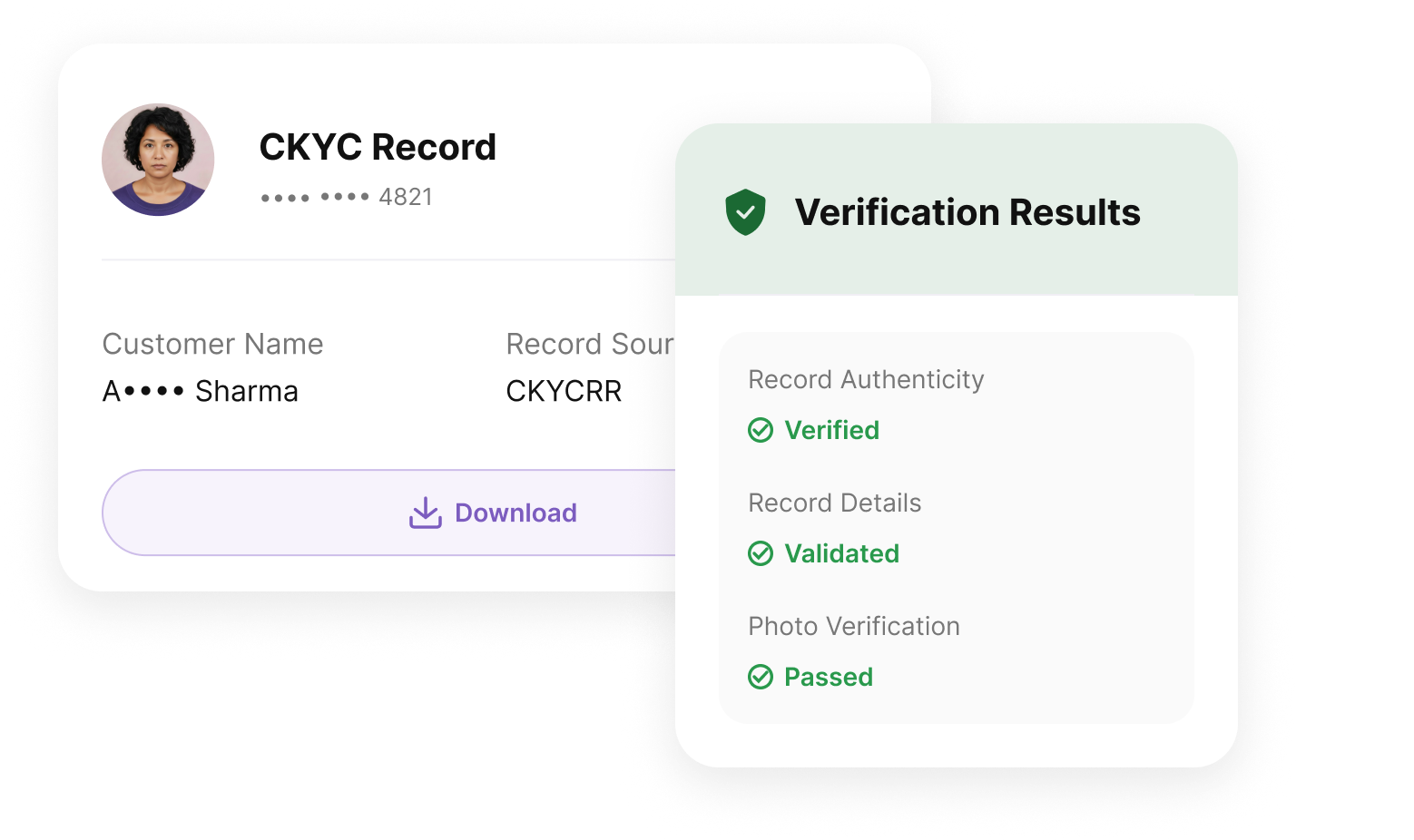
 Trust every downloaded record
Every CKYC record you download is verified as authentic and usable before it reaches your journeys
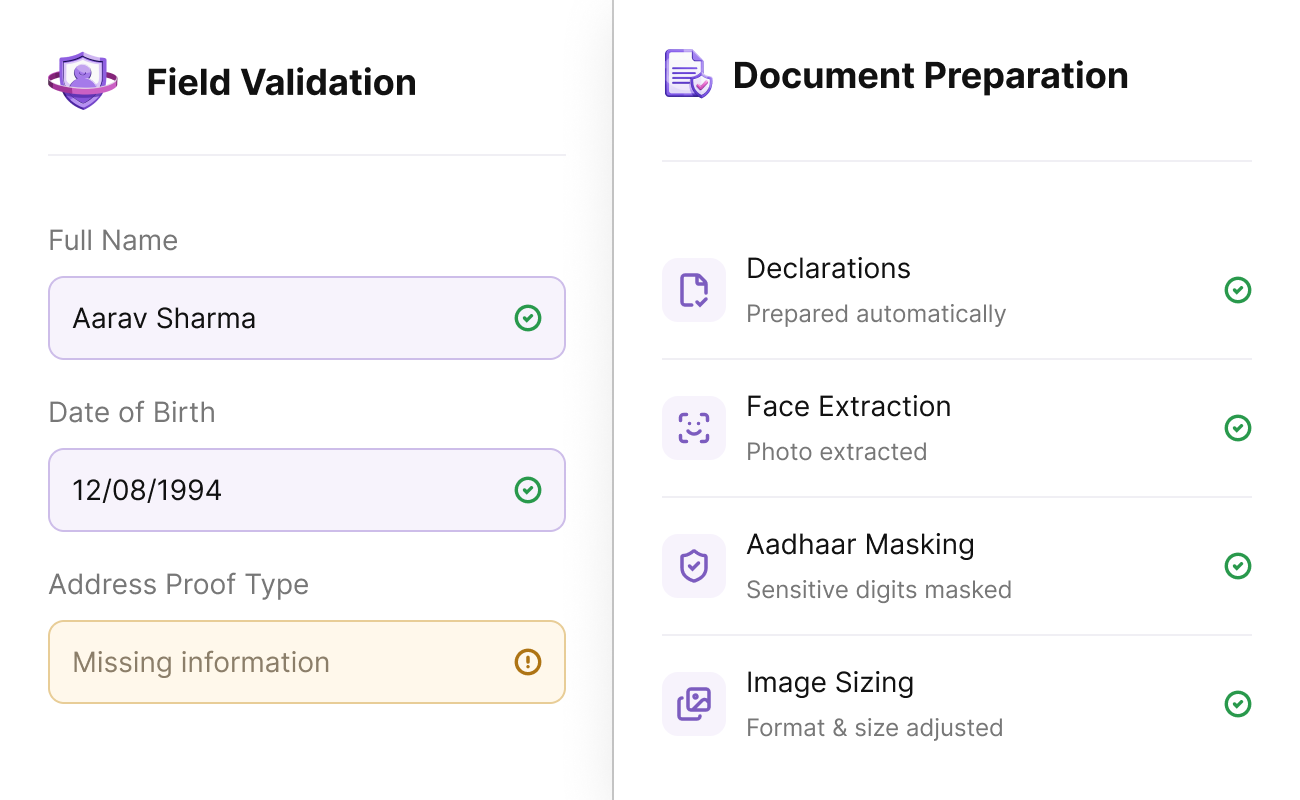
 Pre-upload document readiness
Field-level checks catch missing data before CKYCRR rejects the record. Declarations, face extraction, Aadhaar masking and image sizing are automatic
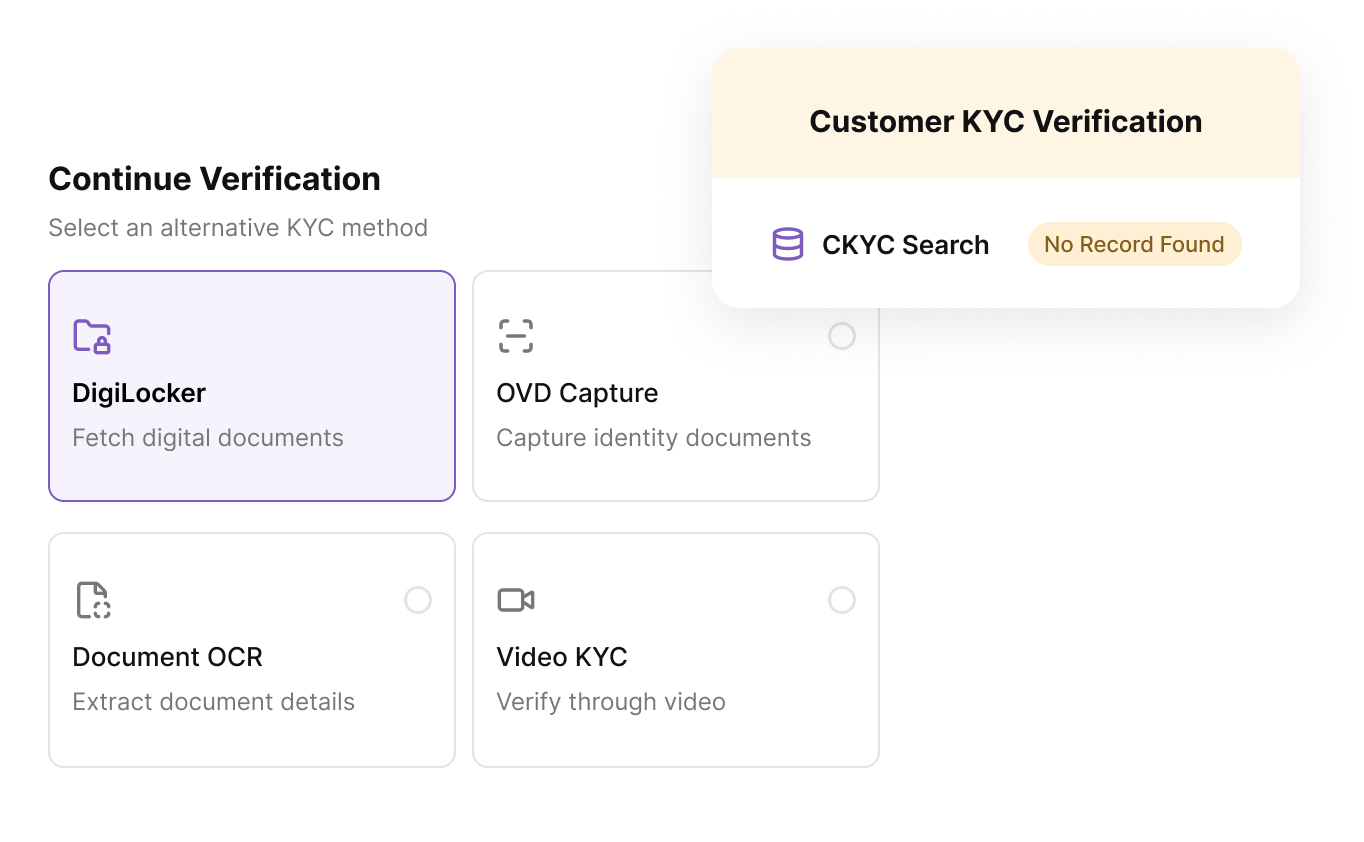
 Digital KYC continuity
No CKYC record, or incomplete data? Continue in the same flow through DigiLocker, OVD capture, OCR or Video KYC
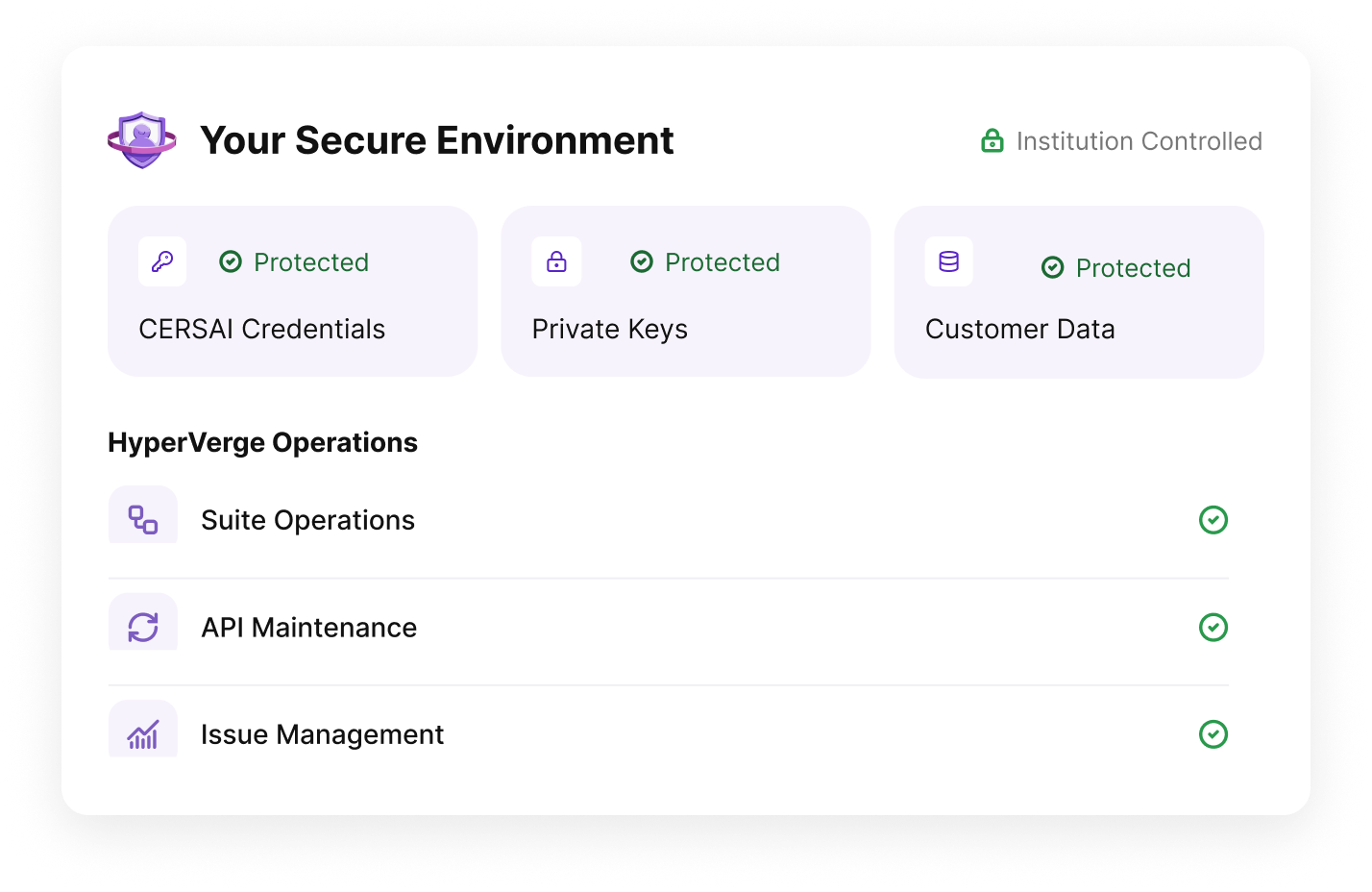
 Your environment, our operations
Your CERSAI credentials, private keys and customer data stay in your environment. HyperVerge runs and maintains the suite
From CERSAI Onboarding to Production and Every Day After
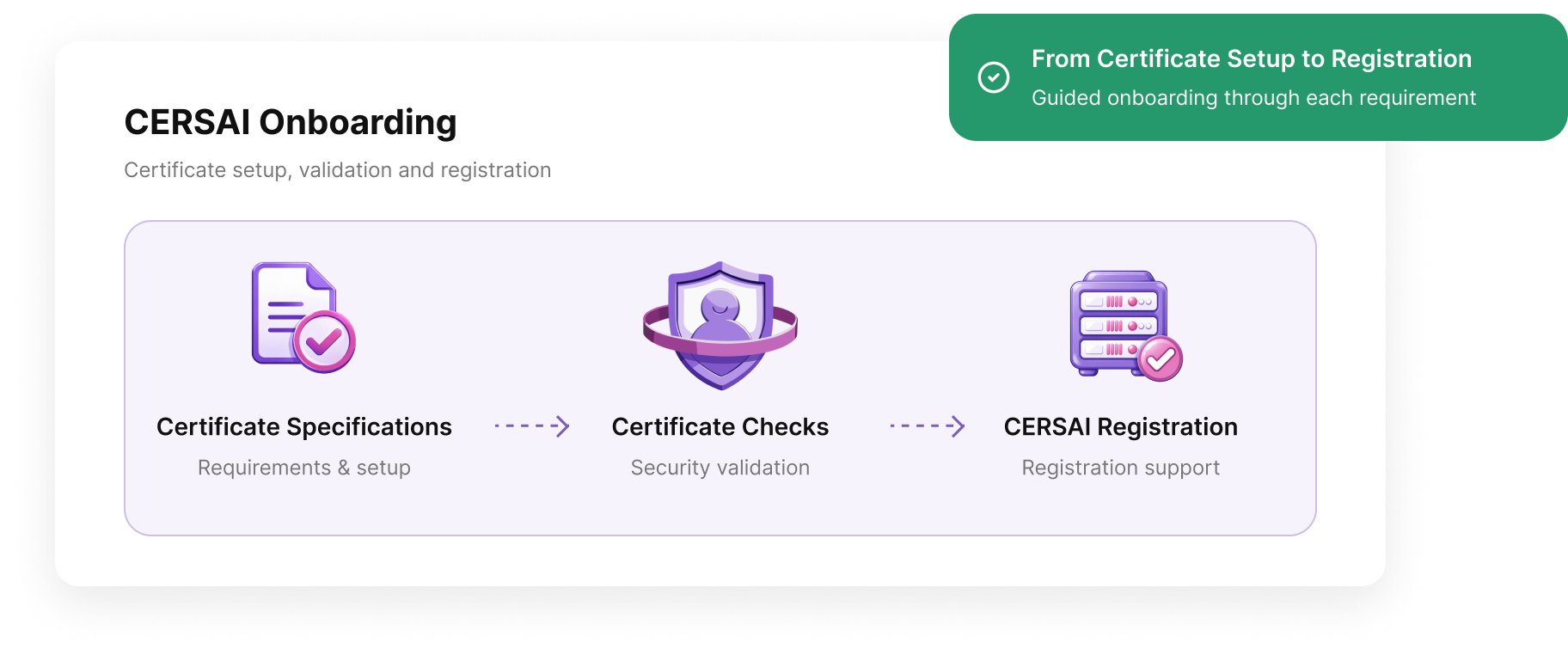
CERSAI onboarding
Certificate specifications, certificate checks and CERSAI registration
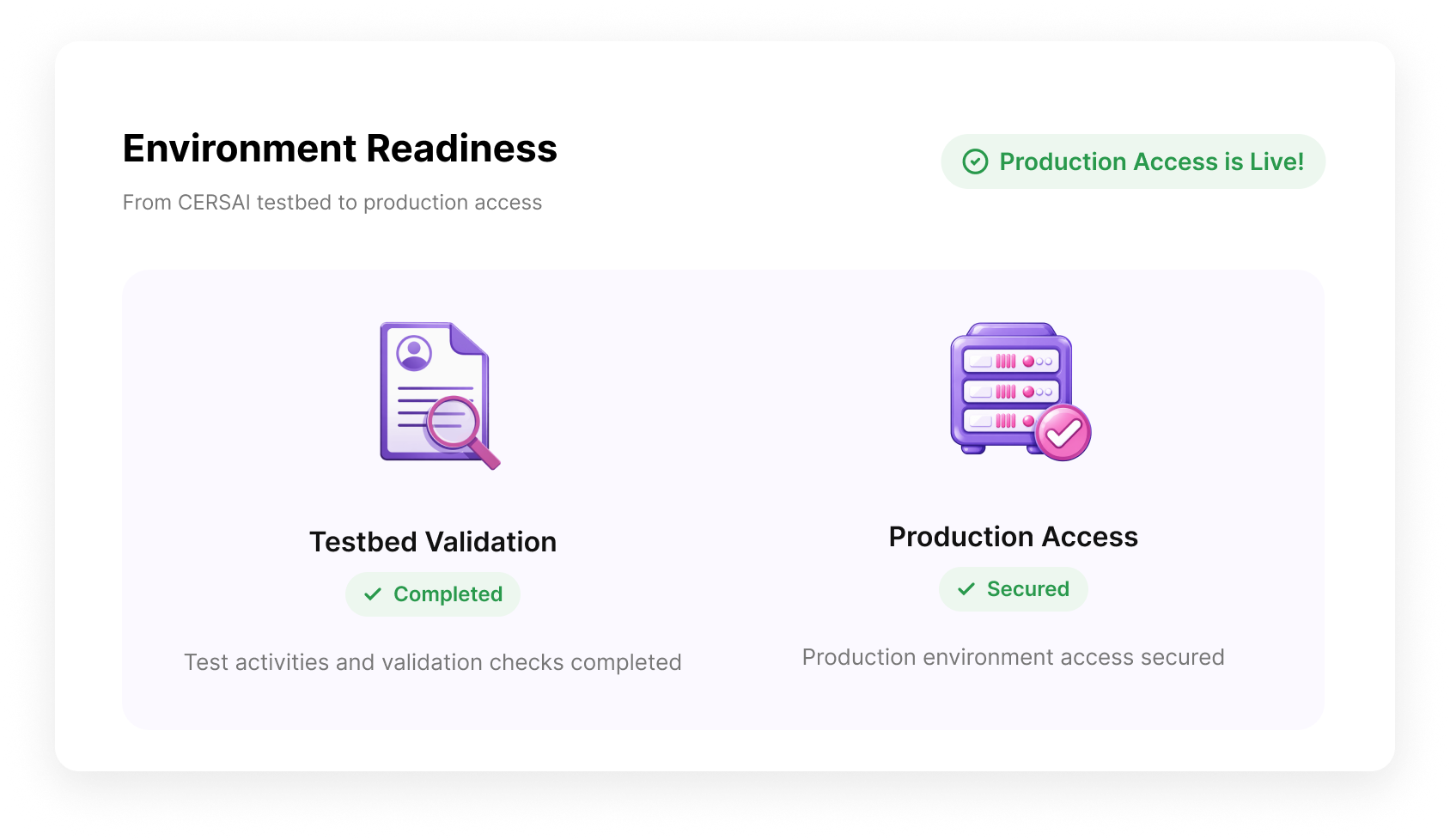
Testbed and production access
Testbed activities completed and production access secured
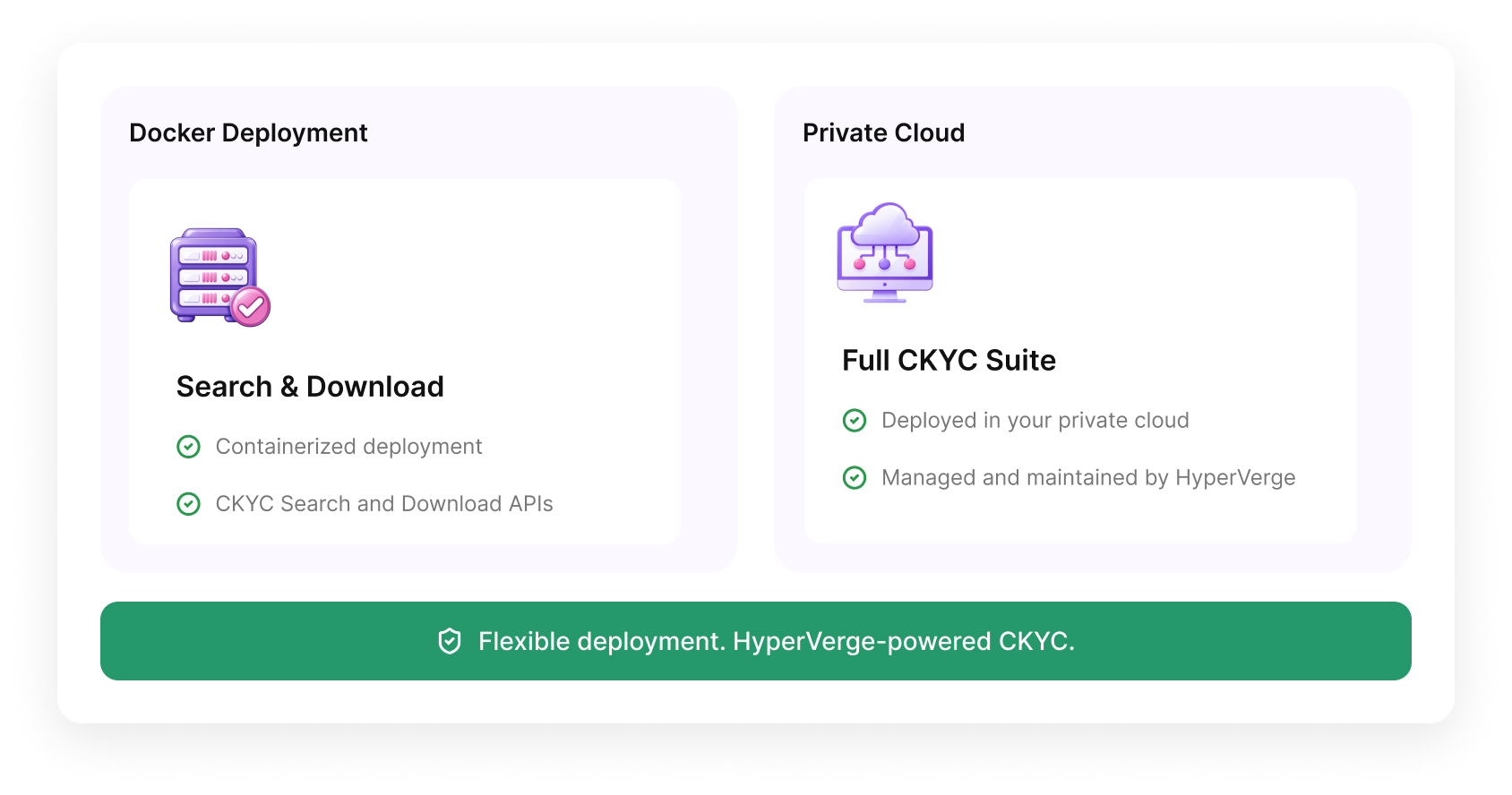
Deployment
Docker for Search and Download, or the full suite managed in your private cloud
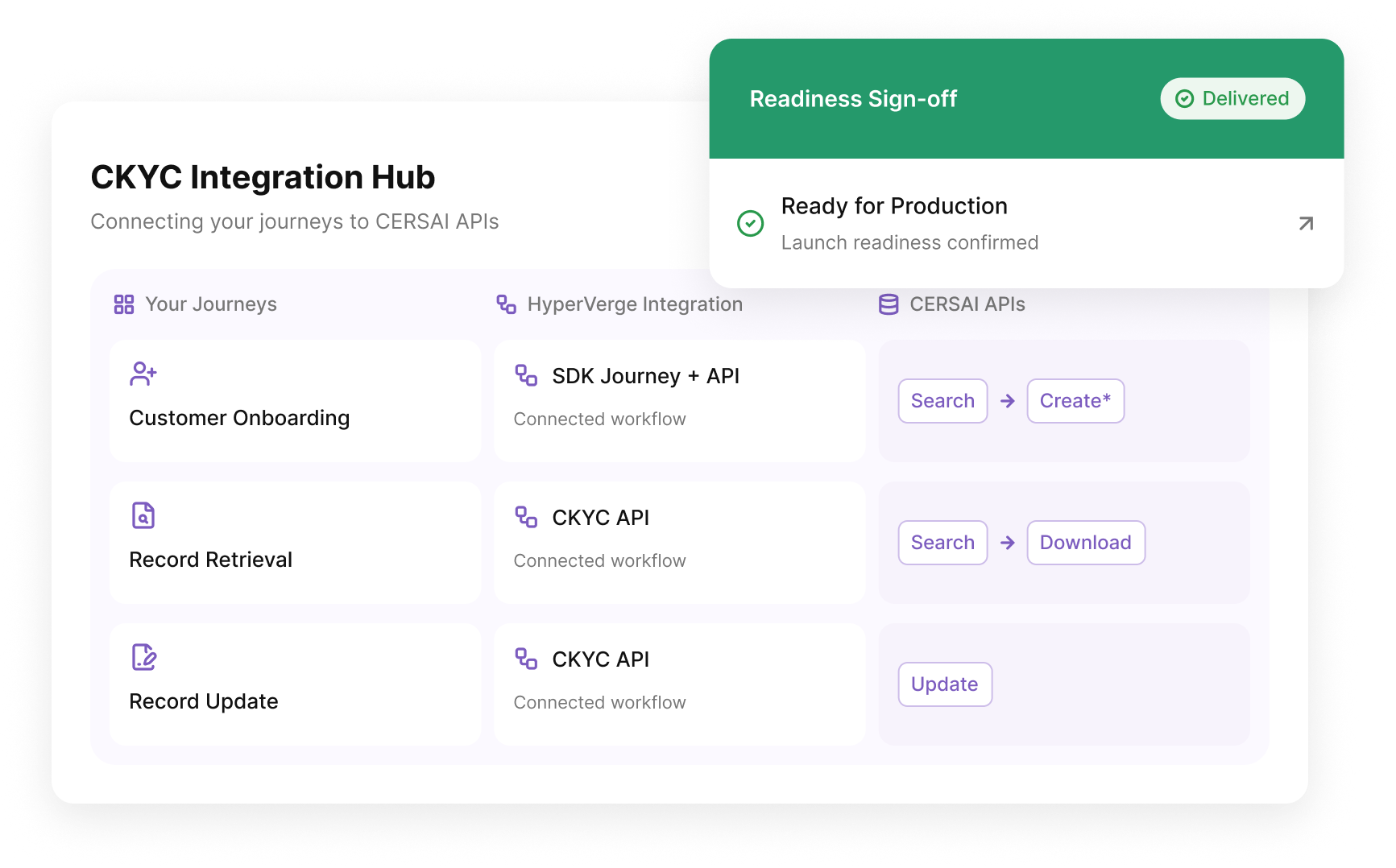
Integration
APIs, SDK journeys and webhooks wired into your flows, with the right CERSAI API for each journey
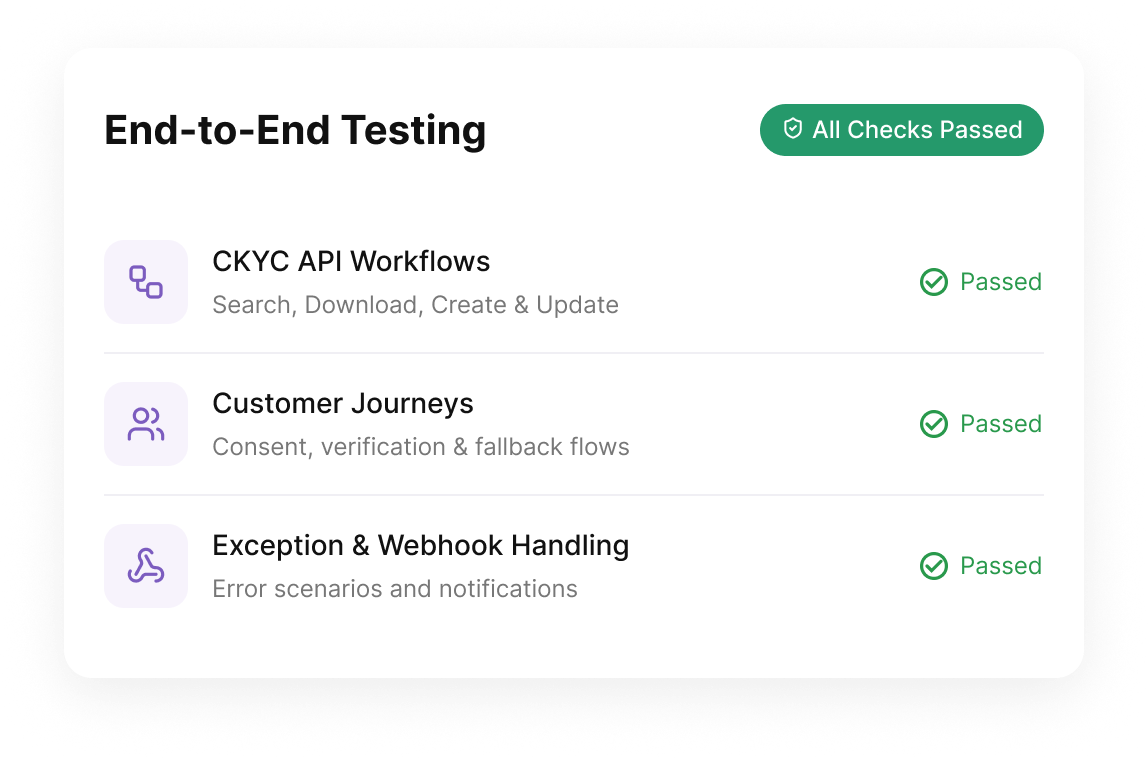
Go-live
End-to-end testing and readiness sign-off
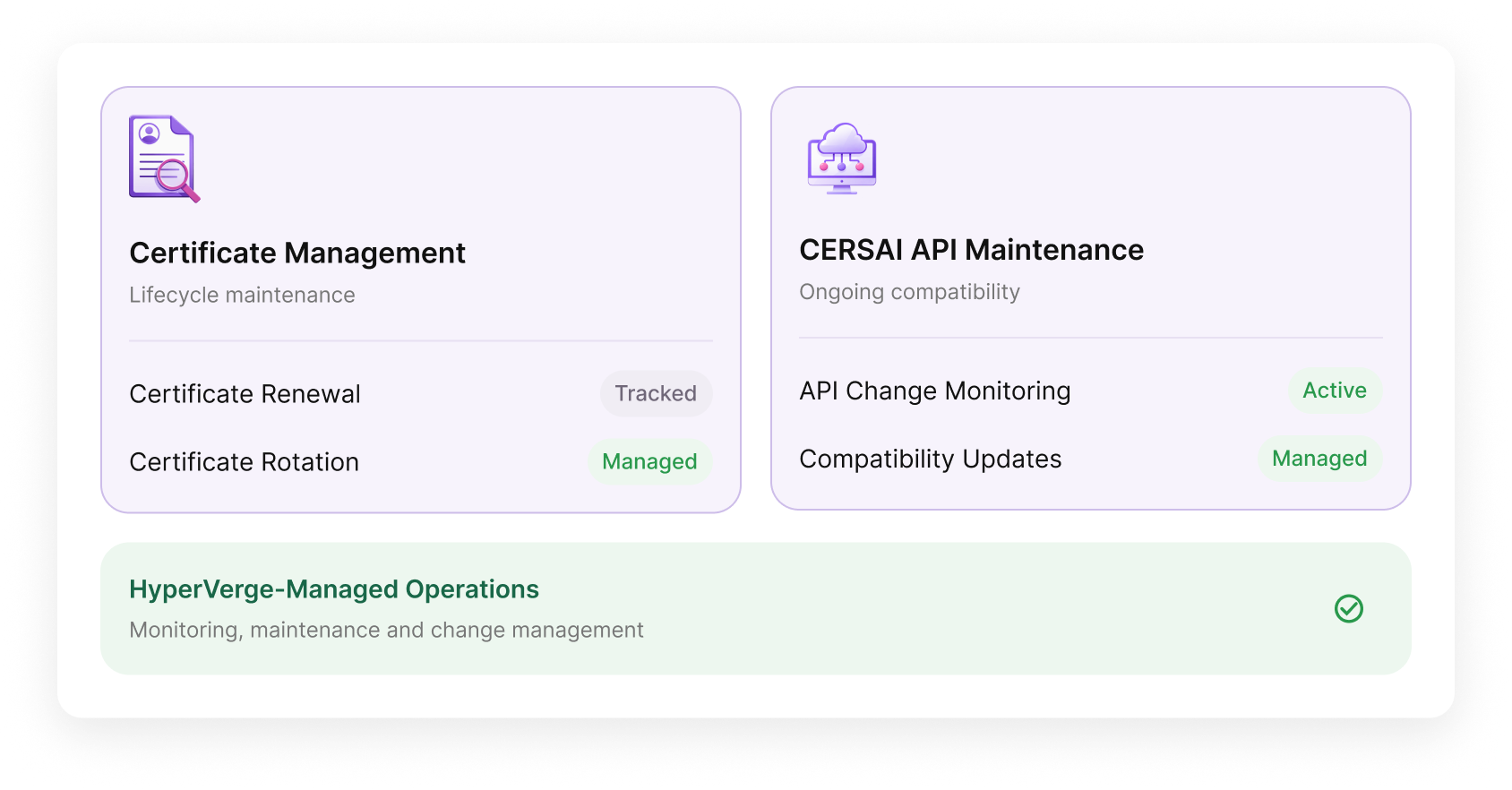
Run and maintain
Health monitoring, certificate renewal and rotation, and CERSAI API changes handled
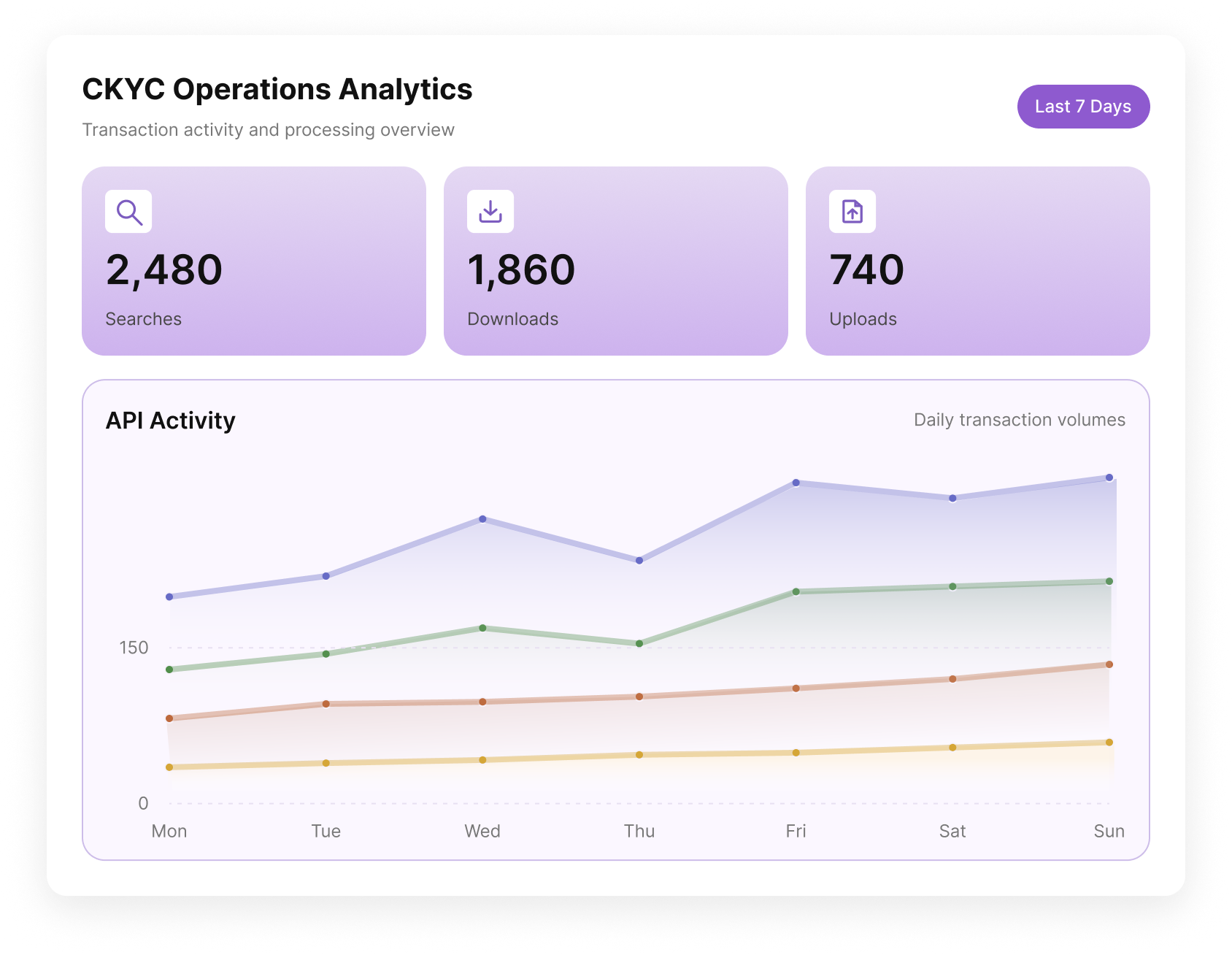
Analytics
Visibility across searches, downloads, uploads and case outcomes
Enterprise-grade Security and Compliance




Frequently Asked Questions
Is CKYC 2.0 only an API migration?
No. It also changes consent, Search-before-Create, Upload/Update fields, security, validation and exception handling.
Can we move from CKYC 1.3 to 2.0 without a break in compliance?
Yes. The 2.0 stack is set up and tested while 1.3 processes continue, then switched over.
How long does integration take?
2–3 weeks end to end, for Docker or the managed suite, with CERSAI onboarding running in parallel.
Does customer data leave our environment?
No. Your CERSAI credentials, private keys and customer data stay in your environment, as CERSAI's 20 Nov 2024 circular requires. Only CKYC Validate 2.0 runs on HyperVerge cloud, and it never needs your CERSAI credentials.
Are legal entities supported?
Yes, through the same APIs as individuals.
How do we know when another institution updates a customer's record?
HyperVerge runs scheduled checks on CKYCRR and delivers updates directly to your servers via webhooks, without storing customer data.
What security requirements apply?
JSON APIs, OAuth 2.0, mTLS, IP whitelisting, JWE/JWS and X.509 certificates, all managed by HyperVerge inside your environment.
What if CKYC data is incomplete or unavailable?
The customer continues in the same flow through DigiLocker, OVD capture, OCR or Video KYC.
Which CERSAI circulars govern CKYC integration?
CKYC/2024/03 requires a unique IP per Reporting Entity. CKYC/2024/05 bars sharing credentials, digital signatures or API keys with third parties. CKYC/2024/07 blocked shared IPs. HyperVerge runs on your IPs, credentials and keys.